


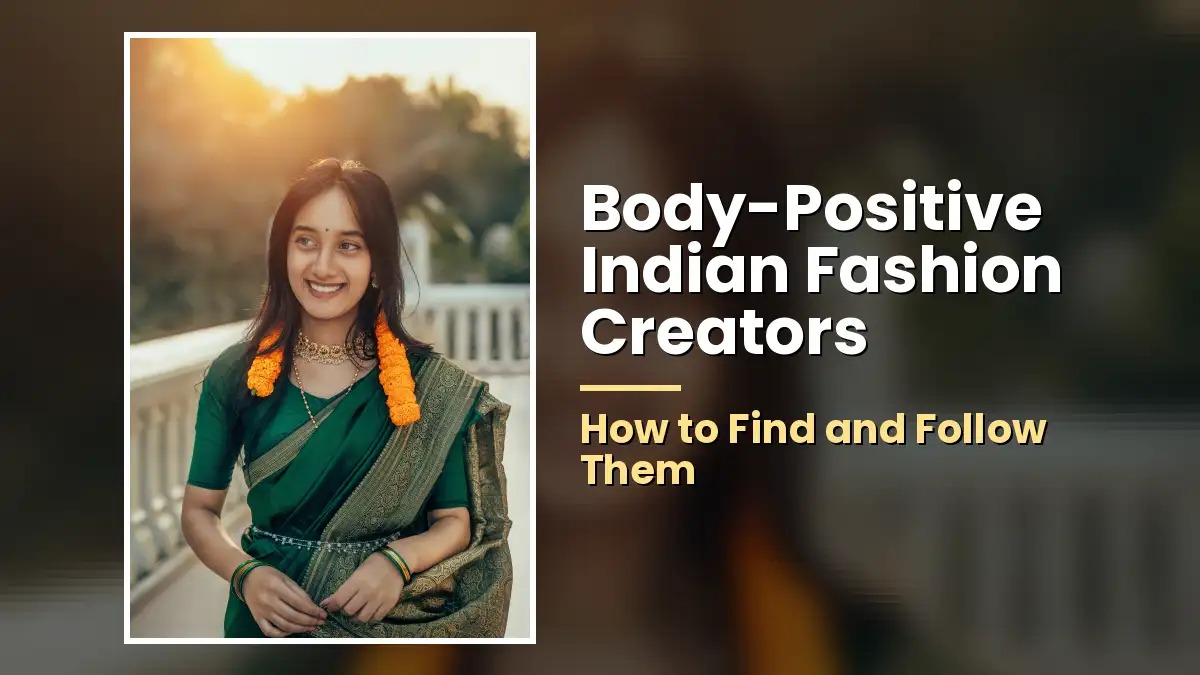
Body-positive Indian fashion creators have changed how many people shop for clothes, because they show real outfits on real bodies and talk honestly about fit. But finding them, and knowing which ones are worth following, is harder than it looks. This guide explains what body positivity means in fashion, what to look for in a creator, how to read sponsored posts, and how to build a feed that helps rather than harms. We do not name individual creators here, because follower counts and content change quickly and we could not verify claims about named people.
What body positivity means in fashion
Body positivity is the idea that people of all sizes deserve respect and representation. Its roots are usually traced to the fat acceptance movement of the late 1960s in the United States, including the National Association to Advance Fat Acceptance, founded in 1969. In the early 2000s, brands such as Dove began running campaigns that used the language of real beauty, and social media later made it easier for creators to show diverse bodies directly.
In fashion, the idea has a practical side. It means showing clothes in more than one size, writing honest reviews of fit and fabric, and pushing brands to expand their ranges. In India, creators also mix traditional dress with modern styling, which makes their content useful for people who want advice on sarees, kurtas and festive wear as well as everyday clothes.
What to look for in a creator
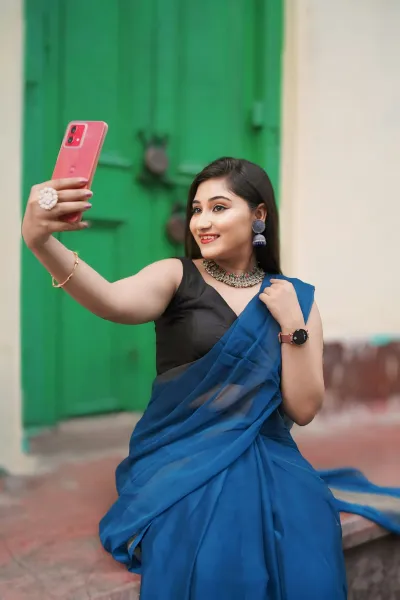
Honest, specific fit information
The most useful posts say what size the creator is wearing, how it fits and what they would change. Vague praise does not help you. Look for creators who mention fabric, stretch, sizing differences and the practical details of wearing the garment.
Range of occasions and styles
A good feed shows work outfits, festive wear, casual clothes and traditional dress. If a creator shows only one type of look, it may not help you with your own needs.
Clear disclosure of sponsored content
Indian advertising guidelines require influencers to disclose when a post is paid or when they have a material connection to a brand. A creator who labels sponsored posts clearly is easier to trust. If you cannot tell whether a post is an advertisement, treat the praise cautiously.
A respectful community
Check how the creator handles comments. A space that welcomes questions and removes abuse is healthier than one that tolerates body shaming. Creators who set clear boundaries tend to produce more helpful content.
Body-positive Indian fashion creators: how to find them
You can find creators without relying on a ranked list. Search on social platforms using terms such as plus-size Indian fashion, saree styling for curvy bodies, or size-inclusive ethnic wear. Look at who is tagged by brands that offer extended sizes, and check the comments on size-inclusive collections to see which creators are discussed. Follow a few people for a week before deciding who to keep. Quality becomes clear when you see how often a creator replies, how consistent their information is and whether their style matches your own.
It also helps to follow creators who work in different regions and languages, since styles and availability vary across India. A saree draped in Kerala may differ from one in Gujarat, and local brands may serve sizes that national chains do not.
| What to check | Why it matters |
|---|---|
| Size and fit details | Helps you judge whether a garment will work for you |
| Sponsored labels | Shows when praise is paid |
| Range of occasions | Gives you outfit ideas beyond one style |
| Comment culture | Predicts how safe the community is |
Using what you see without comparing yourself
Outfit inspiration is useful, but constant comparison can be draining. Treat creators as examples, not standards. Save outfits you like, note what appeals to you, and adapt the idea to your own taste and budget. If a feed makes you feel worse about yourself, mute or unfollow without guilt. A good feed should leave you with ideas and confidence, not pressure.

It can also help to follow creators who talk about the practical side, such as tailoring, altering ready-made clothes and finding stores that stock extended sizes. That information is often more useful than a single outfit.
Styling lessons you can take from creator content
Good creator content teaches techniques, not just looks. When you watch a styling video or read a caption, look for the idea behind the outfit. Does the creator choose a silhouette that suits their shape? How do they use colour, layers or accessories to balance an outfit? How do they adapt a trend so that it works for them? Those ideas transfer to your own wardrobe even if you never buy the same garment.
Traditional wear is a good example. A saree can be draped in several ways, and a creator may show how a different pleat depth, a longer blouse or a belt changes the result. A kurta can be worn with straight trousers, palazzos or a long skirt, each of which changes the proportions. Saving a few of these ideas and testing them at home is more helpful than copying a single outfit.
Questions to ask before you follow
Before you add a creator to your feed, ask a few simple questions. Does their content match what I want to learn? Do they explain why an outfit works? Are they honest about what they were paid to promote? Do they treat their audience with respect? A creator who answers yes to most of these is likely to be a useful follow. If you find that you are collecting accounts only to compare yourself, pause and reconsider the purpose of the follow.
Buying from what you see
Before you buy a garment you saw on a creator, check the brand’s size chart, read reviews from customers of different sizes and look at the return policy. A garment can look different depending on size, cut and fabric, so a creator’s photo is not a guarantee. If the brand offers custom sizing or alterations, consider using them. Buying from smaller sellers can be rewarding, but check the seller’s information and returns before you order.
Frequently asked questions
What does body positive mean?
It means respecting people of all sizes and showing a range of bodies in fashion and media. In practice, it also means better size ranges and more honest fit information.
How can I tell if a post is sponsored?
Look for clear labels such as paid partnership or advertisement. Indian advertising guidelines expect creators to disclose these relationships.
Why does this guide not list names?
Creators’ audiences and content change quickly, and we could not verify claims about named individuals. A method you can reuse is more reliable than a list that may be out of date.
Final thoughts
Body-positive Indian fashion creators can make shopping easier and more enjoyable, but the value comes from what you do with their content. Look for clear fit information, honest disclosure and a respectful community, follow a small number of people who suit your style, and use what you learn to shop and dress with more confidence.
Was this helpful?
